Irish Citizenship by Descent in North Dakota
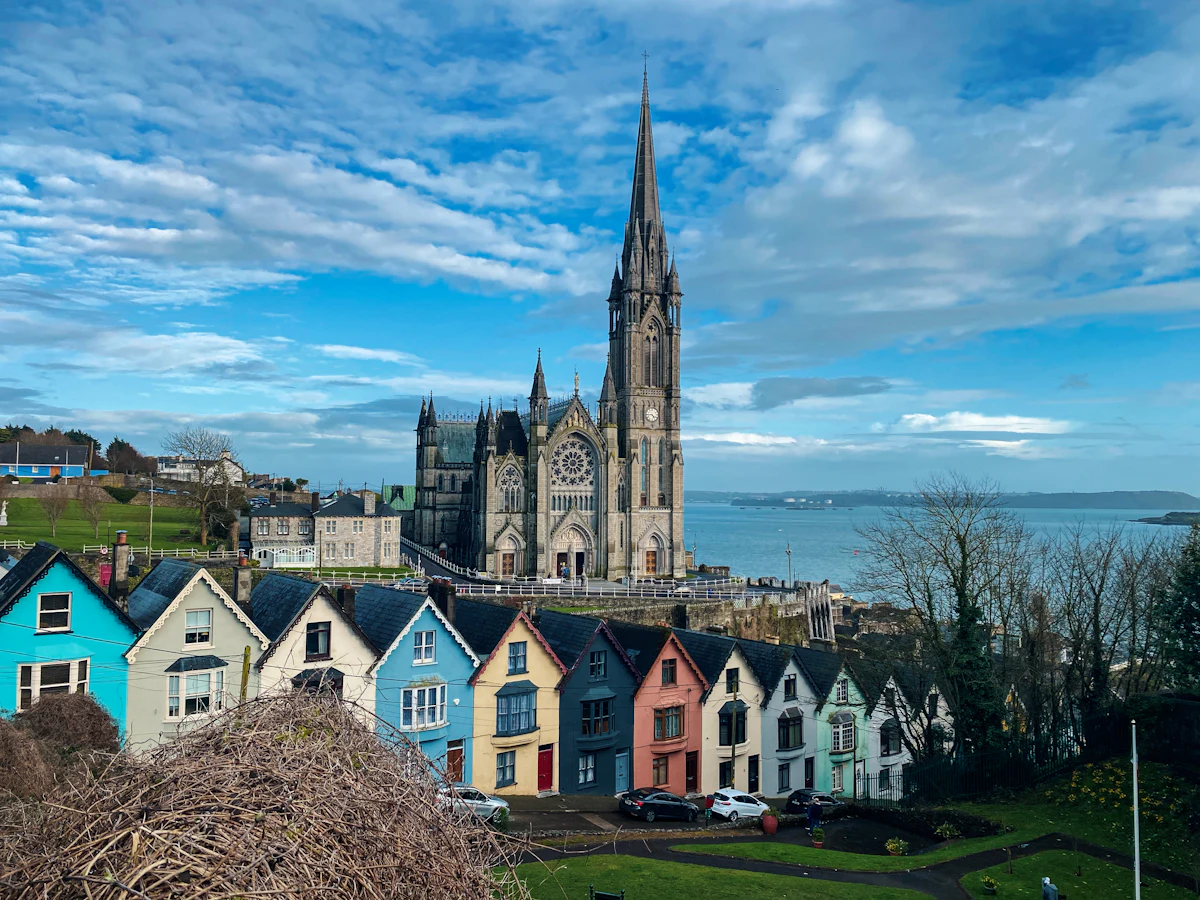
If you're a North Dakota resident with Irish ancestry, you may be eligible for Irish citizenship through descent (jus sanguinis). North Dakota's strong agricultural heritage shares many parallels with rural Ireland, and many families who settled in the Peace Garden State brought their Irish roots with them through generations of immigration.
How Irish Citizenship by Descent Works
Irish citizenship by descent allows you to claim Irish citizenship if you have Irish ancestry, even if you weren't born in Ireland. Generally, you're eligible if you have an Irish-born grandparent, or if you have an Irish citizen parent who was born outside Ireland but registered in the Foreign Births Register before your birth. The key is establishing an unbroken chain of Irish citizenship through your family line. You'll need to prove this lineage through official documents like birth, marriage, and death certificates for each generation back to your Irish ancestor.
Applying from North Dakota
Unlike some other citizenship applications, Irish Foreign Births Register (FBR) applications are processed directly by the Department of Foreign Affairs in Dublin, Ireland, regardless of which U.S. state you live in. However, the Irish consulates can provide guidance and support throughout the process. For North Dakota residents, the Irish Consulate General in Chicago has jurisdiction over your region and can answer questions about your application, though they won't process it directly.
For vital records needed in your application, you'll work with the North Dakota Department of Health, Division of Vital Records. They maintain birth, death, and marriage certificates for events that occurred in North Dakota from 1893 forward. You can request certified copies online through their website, by mail, or in person at their office in Bismarck. Standard processing typically takes several business days, with expedited options available for an additional fee.
North Dakota uses the Secretary of State's office for apostille services, which you'll likely need to authenticate your North Dakota documents for use in Ireland. The North Dakota Secretary of State processes apostilles for documents issued by state agencies, including vital records. You can submit apostille requests by mail or in person at their Capitol office in Bismarck. The process typically takes a few business days, and you'll need to include the original or certified copy of the document along with the appropriate fee.
Given North Dakota's rural geography, many residents find it helpful to plan their document gathering in advance, especially if you need to travel to Bismarck for in-person services. Consider batching your requests and allowing extra time for mail processing if you're in more remote areas of the state. The Irish Consulate in Chicago also offers phone consultations, which can be particularly useful for North Dakota residents who can't easily travel to consulate locations.
Irish Community in North Dakota
According to U.S. Census data, North Dakota has a notable Irish-American population, with Irish ancestry ranking among the top ethnic backgrounds claimed by residents. Many Irish immigrants arrived in North Dakota during the late 19th and early 20th centuries, drawn by homesteading opportunities and agricultural work. The legacy of this immigration continues today, with Irish cultural organizations and events throughout the state celebrating this heritage.
Documents You'll Need
- Your birth certificate (long-form/certified copy)
- Your parents' birth certificates
- Your parents' marriage certificate
- Your Irish ancestor's birth certificate from Ireland
- Marriage certificates connecting each generation
- Death certificates for deceased relatives in your lineage
- Naturalization records (if your Irish ancestor became a U.S. citizen)
- Passport photos meeting Irish specifications
- Completed application forms
- Application fee payment
- Apostilles for U.S. documents (when required)