Citizenship by Descent in Nebraska: Your Complete Guide

Nebraska residents with European or Caribbean ancestry may be eligible for citizenship by descent through their grandparents or great-grandparents. The state's rich immigration history, particularly from Italy, Ireland, Poland, and the Dominican Republic, means many Nebraskans can claim dual citizenship through ancestral ties.
How Citizenship by Descent Works
Citizenship by descent allows you to claim citizenship in your ancestor's country of origin based on bloodline rather than birthplace. Each country has specific rules about which ancestors qualify, how far back you can trace lineage, and whether citizenship passes through both maternal and paternal lines. Generally, you'll need to prove an unbroken chain of citizenship from your qualifying ancestor to yourself. The process requires extensive documentation but can result in a second passport, expanded travel opportunities, and the right to live and work in the European Union or other regions.
Applying from Nebraska
Nebraska residents must work with different consulates depending on their target citizenship. For Italian citizenship, Nebraska falls under the jurisdiction of the Italian Consulate General in Chicago, which serves the Midwest region including Nebraska, Iowa, Illinois, Indiana, Wisconsin, Missouri, Kansas, North Dakota, South Dakota, and Minnesota. Appointments at this consulate are highly competitive and often book months in advance.
For Irish citizenship, applications are processed directly through the Department of Foreign Affairs in Dublin, Ireland, rather than through a local consulate. This can actually be advantageous for Nebraska residents as it eliminates the need to travel to distant consular offices.
Polish citizenship applications are typically processed through the Polish Consulate General in Chicago, though some cases may be handled directly by authorities in Poland. Dominican citizenship matters are handled through the Dominican Consulate in Chicago or through the ProcuradurÃa General in the Dominican Republic.
Nebraska residents will need to obtain certified copies of vital records through the Nebraska Department of Health and Human Services, Division of Public Health. Birth and death certificates can be ordered online, by mail, or in person from their Vital Records office in Lincoln. Marriage certificates are typically obtained from the county where the marriage took place.
For international document authentication, Nebraska uses the Nebraska Secretary of State's office for apostille services. Documents must first be certified by the issuing office, then apostilled by the Secretary of State before submission to foreign authorities. The apostille process typically takes 3-5 business days and can be expedited for an additional fee.
A practical tip for Nebraska residents: consider grouping your document requests and apostille needs to minimize trips to Lincoln. Many applicants find it efficient to handle all Nebraska paperwork in a single day, then focus on obtaining records from other states where ancestors lived.
Heritage Communities in Nebraska
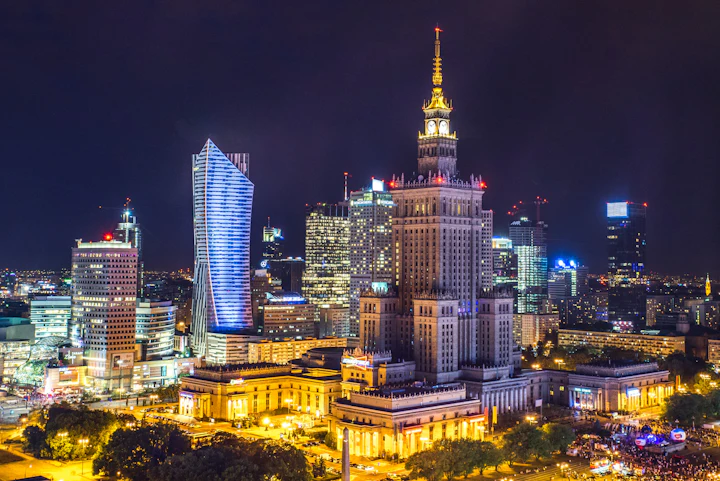
Nebraska has significant populations with Italian, Irish, Polish, and Dominican heritage, particularly in Omaha and Lincoln. The state's agricultural economy historically attracted European immigrants in the late 19th and early 20th centuries, creating established communities that maintained cultural ties to their homelands. Many Nebraska families have preserved immigration documents, church records, and family histories that can be invaluable for citizenship applications.
Documents You'll Need
- Your birth certificate (certified copy with apostille)
- Birth certificates of parents and qualifying ancestors (certified copies with apostilles)
- Marriage certificates for ancestors in your citizenship line
- Death certificates for deceased ancestors
- Naturalization records (if any ancestor became a U.S. citizen)
- Immigration records showing ancestor's arrival in the United States
- Church baptismal records (particularly important for Italian applications)
- Military service records (if applicable)
- Divorce decrees (if applicable to your lineage)
- Current passport and identification documents
- Proof of residence in Nebraska
- Completed application forms specific to your target country
Country-Specific Considerations for Nebraska Residents
Italian Citizenship
Italian citizenship applications require extensive documentation and face significant delays at the Chicago consulate. Many Nebraska residents opt for judicial applications in Italy, which can be faster but require legal representation. Nebraska's Italian-American communities, particularly around Omaha, often have preserved crucial church and community records.
Irish Citizenship
Irish applications are straightforward for Nebraska residents since everything is handled by mail with Dublin. The key requirement is proving your Irish-born grandparent's birth in Ireland before 1922 or in the Republic of Ireland after 1922. Processing times are generally 6-12 months.
Polish Citizenship
Polish citizenship law is complex, as Poland didn't recognize dual citizenship until recent decades. Nebraska residents must prove their Polish ancestor never lost citizenship, which requires research into historical Polish citizenship laws and the ancestor's specific circumstances.
Dominican Citizenship
Dominican citizenship by descent is available to children and grandchildren of Dominican citizens. The process is typically faster than European applications but requires all documents to be translated into Spanish and authenticated through both apostille and Dominican consular services.